
Understanding Ultra-Processed Foods through Science and Balance
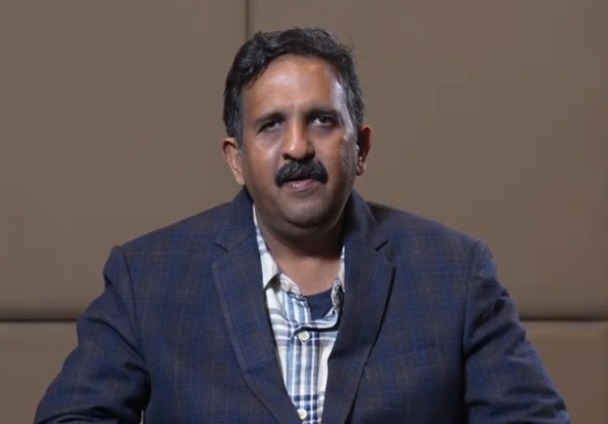
Dr Raghavendra Rao
World Health Day 2026 is aptly themed “Together for Health. Stand with Science,” reminding us that our understanding of diet and health must be based on science. The theme is especially relevant to today’s food debates, where conversations around ultra-processed foods (UPFs) often get reduced to fear-driven concerns about fats, particularly the confusion between industrial harmful trans fats and naturally occurring saturated fatty acids. Science, however, calls for a broader perspective. Health outcomes are shaped not by isolated nutrients alone, but by the overall quality, balance, diversity and context of the diet, a principle also reinforced by our leaders, who advocate mindful consumption rather than fear or the outright ban on this essential macronutrient.
For India, this conversation is urgent, as the nation is witnessing a sharp rise in overweight conditions and obesity across all age groups, from young children to adults. According to UNICEF’s Child Nutrition Global Report 2025 and India’s Economic Survey 2025–26, obesity is emerging as a major public health challenge, with unhealthy diets, increasing consumption of UPFs, reduced physical activity and sedentary lifestyles driving the numbers. What makes this particularly concerning is that the burden is increasingly falling on children and adolescents. The country is projected to be home to over 27 million children and adolescents living with obesity by 2030. Overweight and obesity among children under five have more than doubled over the last decade, increasing the risk of diabetes, hypertension, cardiovascular disease and other non-communicable diseases later in life, making prevention the need of the hour.
Ultra-Processed Foods and the Misunderstanding of Fats
The rise of ultra-processed foods is a significant part of India’s obesity challenge. These foods are often high in sugar, salt and unhealthy fats, while being low in fibre and micronutrients. More importantly, they are aggressively marketed to children and adolescents, often replacing traditional, home-cooked meals rich in grains, pulses, fruits, vegetables and diverse edible oils.
It is important to understand that processing and ultra-processing are not the same. Processing in itself is not harmful. Cooking, fermenting, drying, freezing and packaging are essential for food safety, shelf life and access. Traditional Indian food culture itself is built on multiple forms of safe processing.
The concern lies with ultra-processed foods, which are industrial formulations created by combining refined ingredients with flavours, colours, emulsifiers and preservatives to make them highly appealing and easy to overconsume. So, a food labelled “palm oil-free” may still be a UPF if it is high in trans fats, sugar, refined flour, sodium and artificial additives.
This is where science becomes critical. Not all fats are the same. Trans fats are widely recognised as harmful and are strongly associated with cardiovascular risk. Saturated fatty acids, on the other hand, must be understood in the context of overall diet, quantity and source. Reducing the conversation to “all fats are bad” creates confusion and distracts from the real nutritional issues. For example, research from King’s College London has shown that certain processed fats derived from plant oils like palm oil did not adversely affect key heart health markers when consumed in practical dietary amounts. This reinforces the fact that the healthfulness of food depends on the whole dietary pattern, not a single nutrient or ingredient.
Edible Oils as Part of Balanced Diets
For India, the way forward lies in balanced diets.
Edible oils are an essential part of nutrition. They provide energy, help absorb fat-soluble vitamins such as A, D, E and K, and supply essential fatty acids needed for growth, brain development and overall health. The key is not elimination, but informed and balanced use.
Different oils offer different nutritional profiles. Mustard oil, groundnut oil, sesame oil, rice bran oil, sunflower oil, soybean oil, coconut oil and palm oil each bring distinct fatty acid compositions and functional benefits. No single oil can provide everything. This is why nutrition experts and national dietary guidelines often recommend rotation and diversity in edible oil use.
Using a variety of oils over time allows households to benefit from different fatty acid balances, antioxidants and cooking suitability. Some oils are suited for high-heat cooking, while others are ideal for tempering or tadka, where spices are heated in oil to release their flavour, or for raw use. This variety prevents overdependence on one fatty acid profile and supports a more balanced intake.
This principle aligns with India’s broader dietary wisdom. Just as our meals are built around diversity across cereals, pulses, vegetables and fruits, the same approach should apply to fats and oils. Science supports balance, portion control and rotation, rather than demonisation.
Science Must Guide Food Choices
World Health Day’s call to “stand with science” asks us to resist distorted food narratives. Ultra-processed foods cannot be understood through one ingredient alone. Nor can obesity be overcome by giving up fats altogether.
India’s fight against childhood obesity requires a larger shift towards balanced diets, reduced consumption of highly processed and aggressively marketed foods, and increased physical activity. Increased fibre intake and stronger nutrition literacy in schools and homes. Reduction in edible oil intake by at least 10% in individuals can go a long way in reducing Obesity. This is done by measuring the oil every time we cook and limiting intake to under 600-700ml/person/ month.
The real solution lies in evidence-based eating. Diverse meals, traditional dietary wisdom, the balanced use of varied edible oils, and health shaped by patterns rather than panic are what the nation needs. Once adopted, this wisdom can help address obesity and a range of other health and social challenges. There can be no better place to begin than with food and health.
Dr Raghavendra Rao is a VP Research and Integrative medicine at HCG Oncology Group and former Director of Central Council for Research in Yoga & Naturopathy (CCRYN), under the Ministry of Ayush, Government of India.